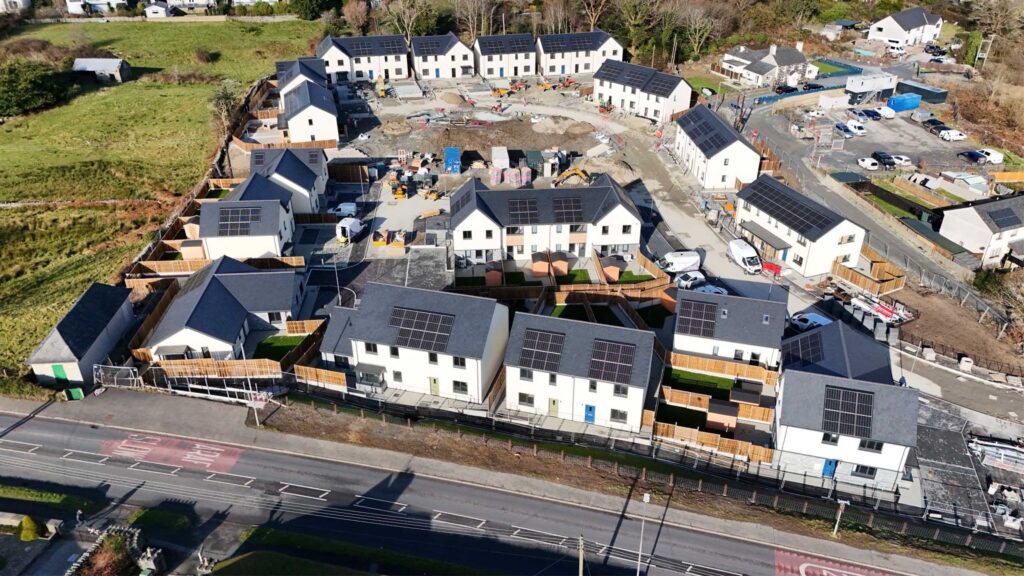
An Ecological Impact Assessment (EcIA) identifies, quantifies and evaluates the potential effects of a development on habitats, species and ecosystems. The findings help planning authorities and other consultees understand the ecological issues at stake when they’re deciding whether to grant permission.
EcIA is not, on its own, a statutory requirement in the way a full Environmental Impact Assessment (EIA) is. It’s an evaluation process that sits underneath a range of other assessments. Most commonly, that means one of two things: a site where protected species surveys have already found something that needs assessing alongside a Preliminary Ecological Appraisal (PEA), or a project large enough to require a formal EIA, where the ecology and natural environment chapter of that EIA is itself an EcIA.
EcIA is not, on its own, a statutory requirement in the way a full Environmental Impact Assessment (EIA) is. It’s an evaluation process that sits underneath a range of other assessments. Most commonly, that means one of two things: a site where protected species surveys have already found something that needs assessing alongside a Preliminary Ecological Appraisal (PEA), or a project large enough to require a formal EIA, where the ecology and natural environment chapter of that EIA is itself an EcIA.
An EcIA report brings together the results of the individual surveys carried out on a site, typically a Phase 1 Habitat survey alongside relevant protected species surveys such as dormouse, reptile or breeding bird work, and sets out what the proposed development is likely to mean for the habitats and species those surveys identified. We follow current CIEEM (Chartered Institute of Ecology and Environmental Management) guidelines throughout, so the assessment holds up to scrutiny from planners and other consultees.
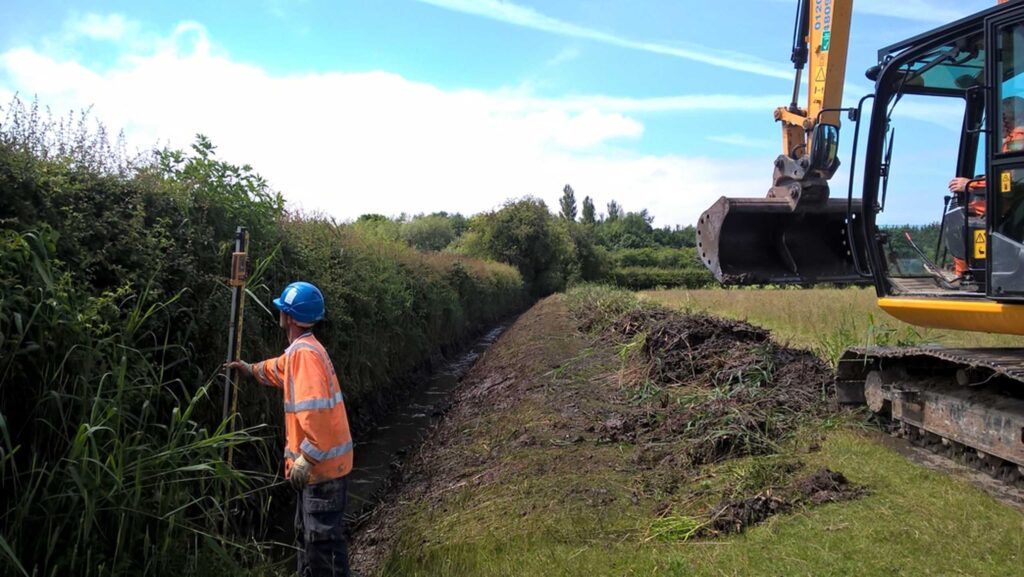
Supporting large-scale construction project and protecting biodiversityWe were approached by RPS to assist them in carrying out ecological surveys and…
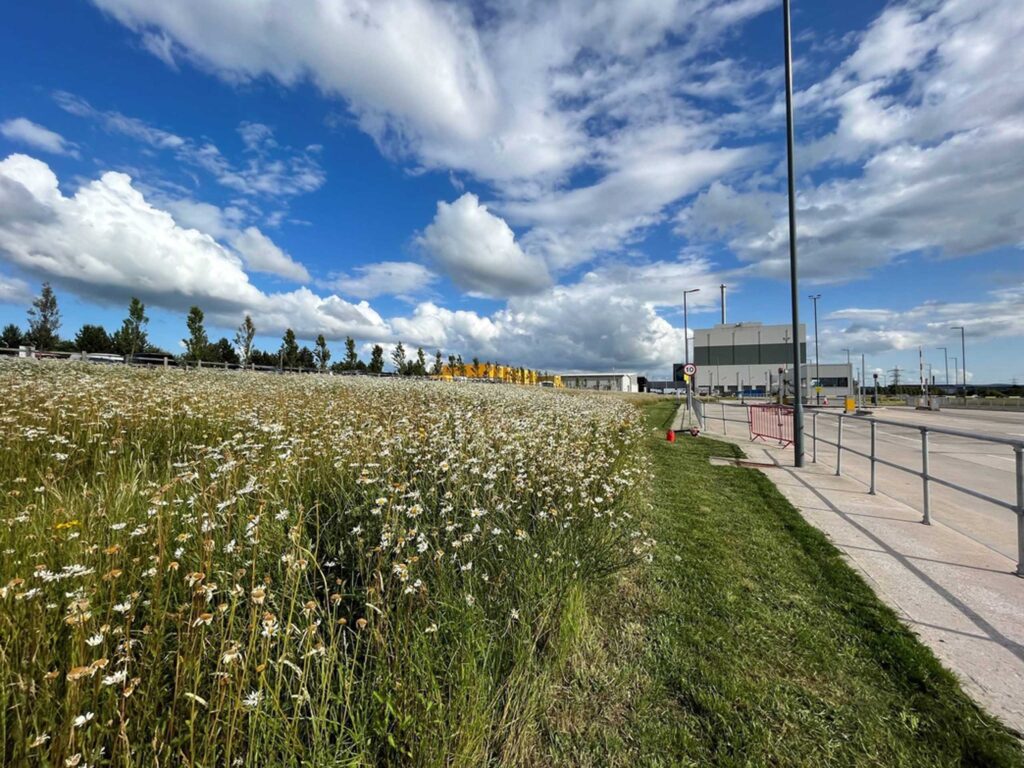
Transforming an industrial landscape for biodiversity Our habitat management team have been working with North Wales Wildlife Trust’s corporate partners,…
Lorem ipsum dolor sit amet, consectetur adipiscing elit. Ut elit tellus, luctus nec ullamcorper mattis, pulvinar dapibus leo.
Lorem ipsum dolor sit amet, consectetur adipiscing elit. Ut elit tellus, luctus nec ullamcorper mattis, pulvinar dapibus leo.
Lorem ipsum dolor sit amet, consectetur adipiscing elit. Ut elit tellus, luctus nec ullamcorper mattis, pulvinar dapibus leo.
Get in touch
Enfys Ecology provides a wide range of ecological and habitat management services across North and Mid Wales, and into Cheshire, Shropshire and Wirral.