Ecology is one part of a much bigger remit, but if it goes wrong, it is the part that puts the whole project at risk: time, budget and reputation all resting on a single missed survey or protected species.
We take that risk off your plate. One partner, one named contact, consistent delivery across every site, so you always know who to call and what happens next, whatever stage a project is at.
We cover the full range of ecological surveys and reports a multi-site infrastructure or utilities portfolio needs, from Preliminary Ecological Appraisal (PEA) and Ecological Impact Assessment (EcIA) through to protected species surveys for bats, badgers, great crested newts, water voles, reptiles and more. Our Ecological Clerk of Works (ECoW) service provides on site supervision once works are underway, so what happens on site matches what was agreed in the report. We can also react quickly when ecology surfaces late, a survey needed at short notice, a species found mid works, without losing the process and documentation a tender or audit will expect.
For projects that reach beyond our own capacity, we’re part of the Wildlife Trusts Consultancies network, allowing us to draw on other Wildlife Trust owned consultancies for larger, multi region work, without losing the single point of contact.
We hold ISO 9001 and ISO 14001 accreditation and SafeContractor status, so we meet the standards a tender or supplier audit expects. We’ve worked with organisations including the Welsh Ambulance Service, creating a biodiversity and wellbeing area at their Dobshill depot.
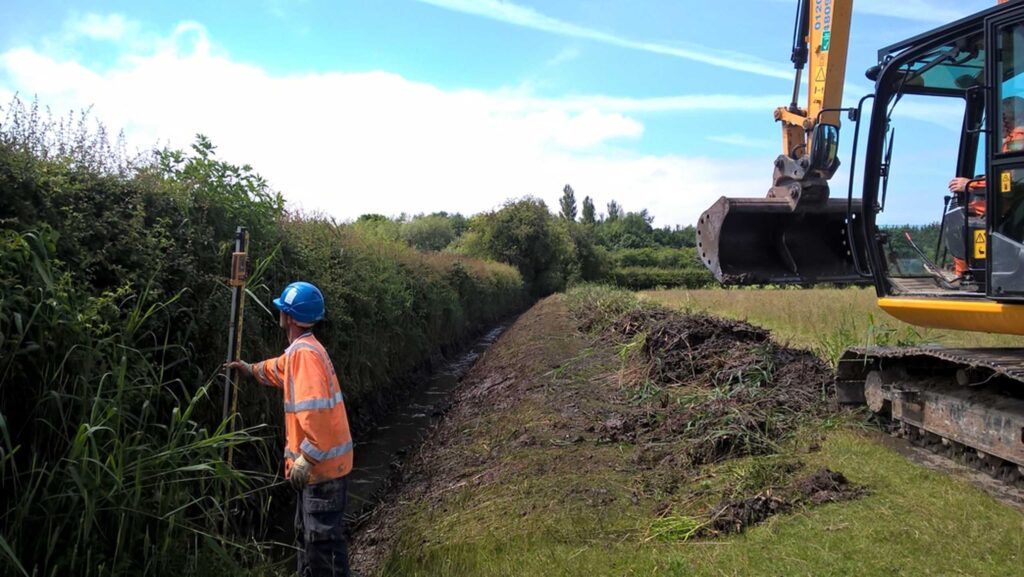
Supporting large-scale construction project and protecting biodiversityWe were approached by RPS to assist them in carrying out ecological surveys and…
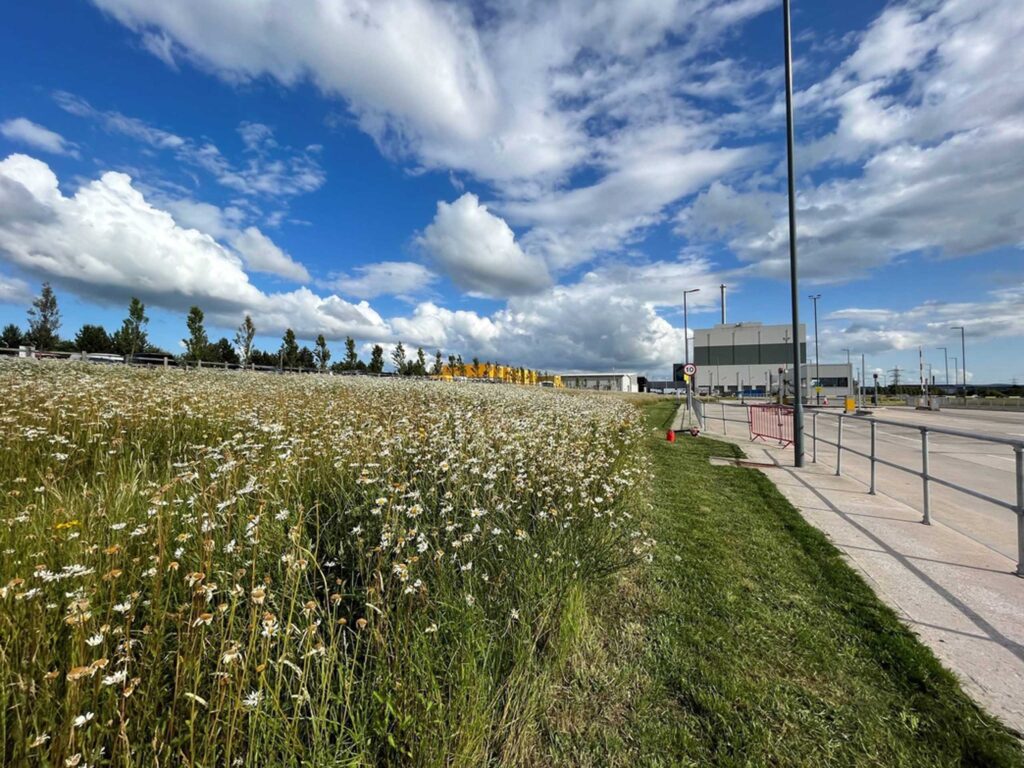
Transforming an industrial landscape for biodiversity Our habitat management team have been working with North Wales Wildlife Trust’s corporate partners,…
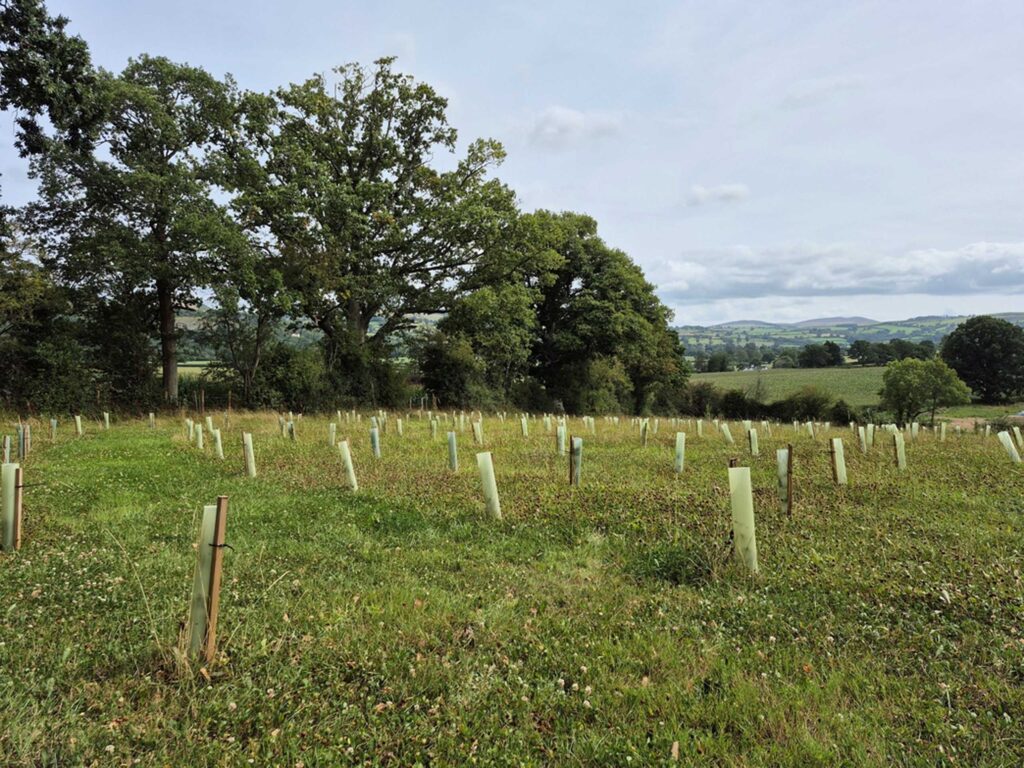
A private landowner in the Vale of Clwyd wanted to work with natural systems to manage flood risk and improve…
Pick a time to share your project pipeline with us. We’ll talk through where the ecological risk sits, and how a named contact and consistent process can cover it across every site.