
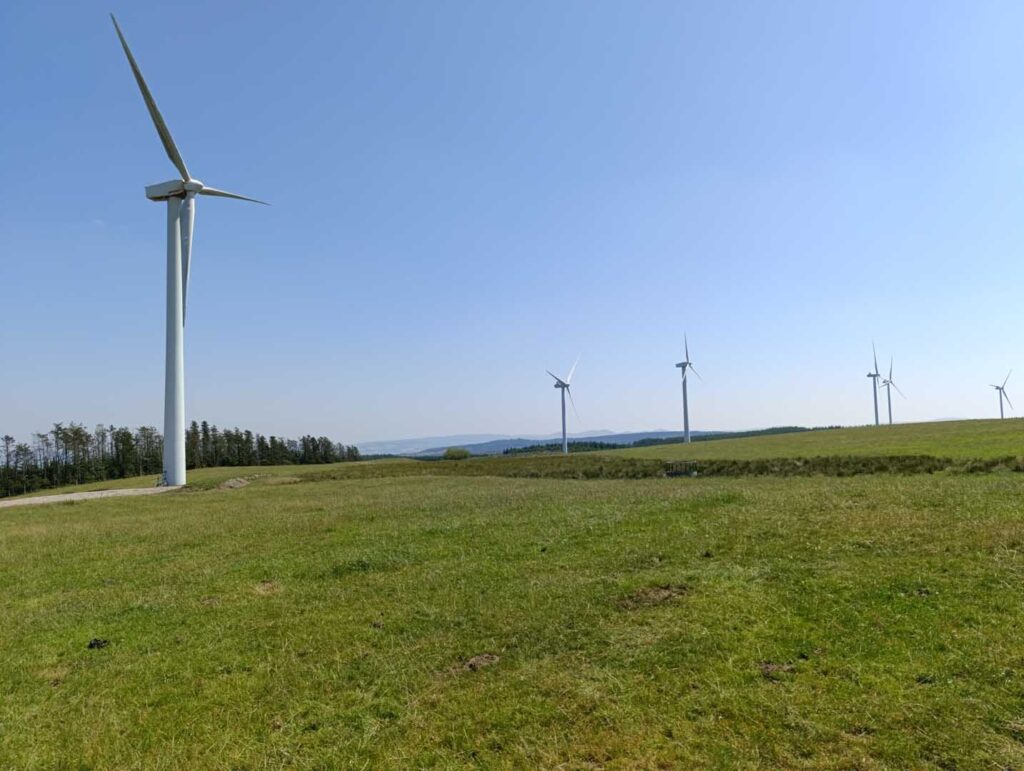
A wide range of species, and groups of species, are specifically protected under UK legislation. Their presence has to be considered on any development site, with the right conservation or mitigation measures put in place if they’re found. We carry out surveys and provide licensing support across the species most commonly encountered on site: bats, birds, badgers, dormice, great crested newts, otters, water voles and reptiles.
Bats live in a range of habitats, and the right survey depends on what a building or site is likely to be sheltering. You can get an instant quote and book a bat survey directly using our online tool.
All wild birds, their nests and eggs are protected by law, and the right survey depends on the site and the time of year. This can include breeding bird surveys, wintering and migrant bird surveys, and surveys for specific Schedule 1 species such as barn owl and goshawk, which carry extra protection under the Wildlife and Countryside Act 1981.
Where works are due to take place during nesting season, a nesting bird check is carried out immediately beforehand, to confirm no birds will be disturbed once work starts.
Badgers and their setts are strictly protected. We carry out a walkover survey to identify signs of their presence, supported by camera and sand traps where useful, assess population levels using techniques such as bait marking, and design and deliver solutions to minimise the impact of a development on a badger population.
Dormice are protected in the UK, reflecting a decline in numbers over the past century. We carry out a walkover survey to look for suitable habitat and signs of presence, install nest and footprint tubes where appropriate, and put up and monitor dormouse boxes. Where mitigation is needed, we design a strategy to current guidance.
As the UK’s most strictly protected amphibian, great crested newts and their eggs, breeding sites and resting places are all covered by legislation. We carry out a habitat suitability index (HSI) assessment to judge the likelihood of their presence, presence and absence surveys including environmental DNA (eDNA) testing to monitor populations and estimate their size, and design mitigation where needed, including amphibian fencing, trapping and relocation.
Otters have recovered strongly in Wales since the dramatic declines of the 1950s to 1970s, when pesticide use, hunting and habitat loss pushed them out of much of the country. They’re now found in every Welsh county, which means their presence has to be considered on far more sites than it once did. We survey for otters, design mitigation where required, and support any licensing that’s needed.
Water voles are fully protected under Schedule 5 of the Wildlife and Countryside Act 1981. We carry out walkover surveys to assess habitat suitability and look for evidence of their presence, produce a mitigation strategy where an active burrow or watercourse is found, and advise on future habitat management and licensing.
Reptile populations in Britain are declining as habitat is lost, degraded and broken up into smaller, isolated patches. We assess a site for potential reptile habitat, survey for their presence, and estimate population size. Findings inform mitigation such as reasonable avoidance measures, reptile fencing and relocation to a safe receptor site, as well as longer-term enhancement such as native shrub and hedgerow planting, reptile rockeries and log or rubble hibernacula.
Get an instant online quote and book your bat survey using our online tool, or book a call with an ecologist to talk through any other species survey your project needs.
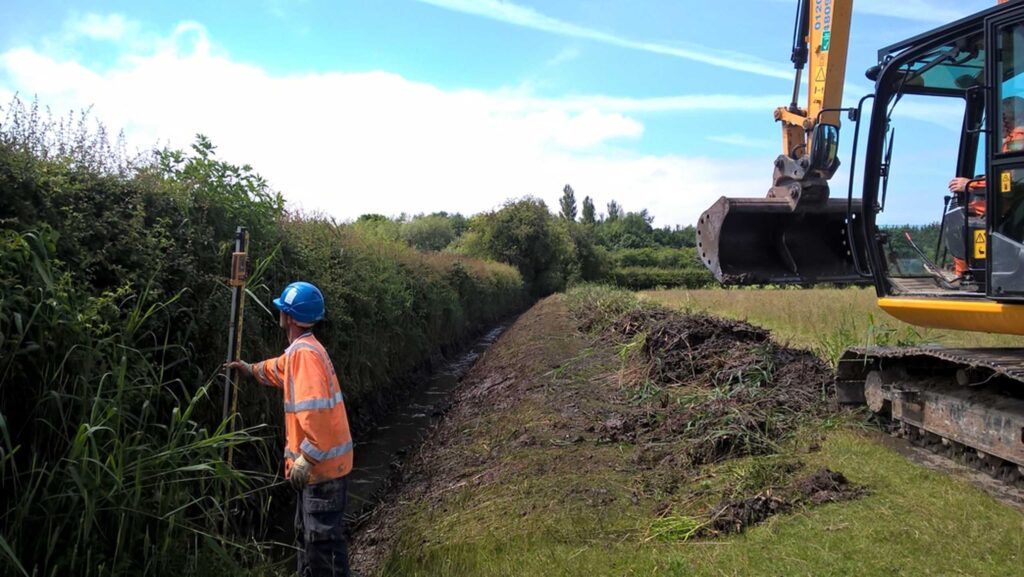
Supporting large-scale construction project and protecting biodiversityWe were approached by RPS to assist them in carrying out ecological surveys and…
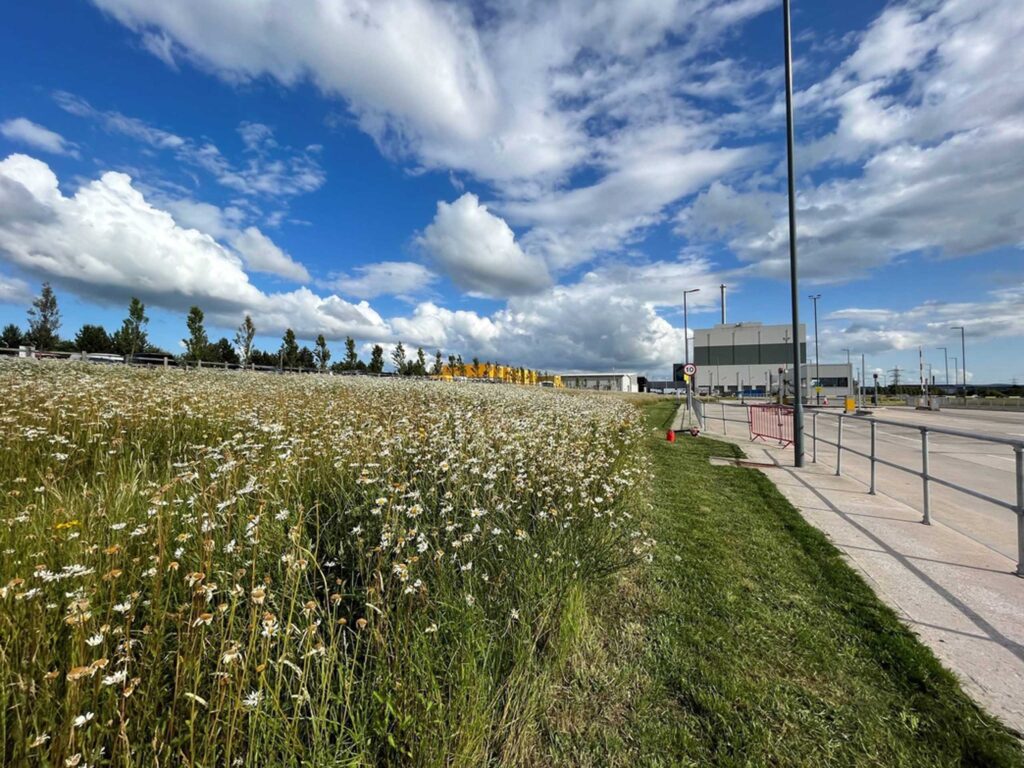
Transforming an industrial landscape for biodiversity Our habitat management team have been working with North Wales Wildlife Trust’s corporate partners,…
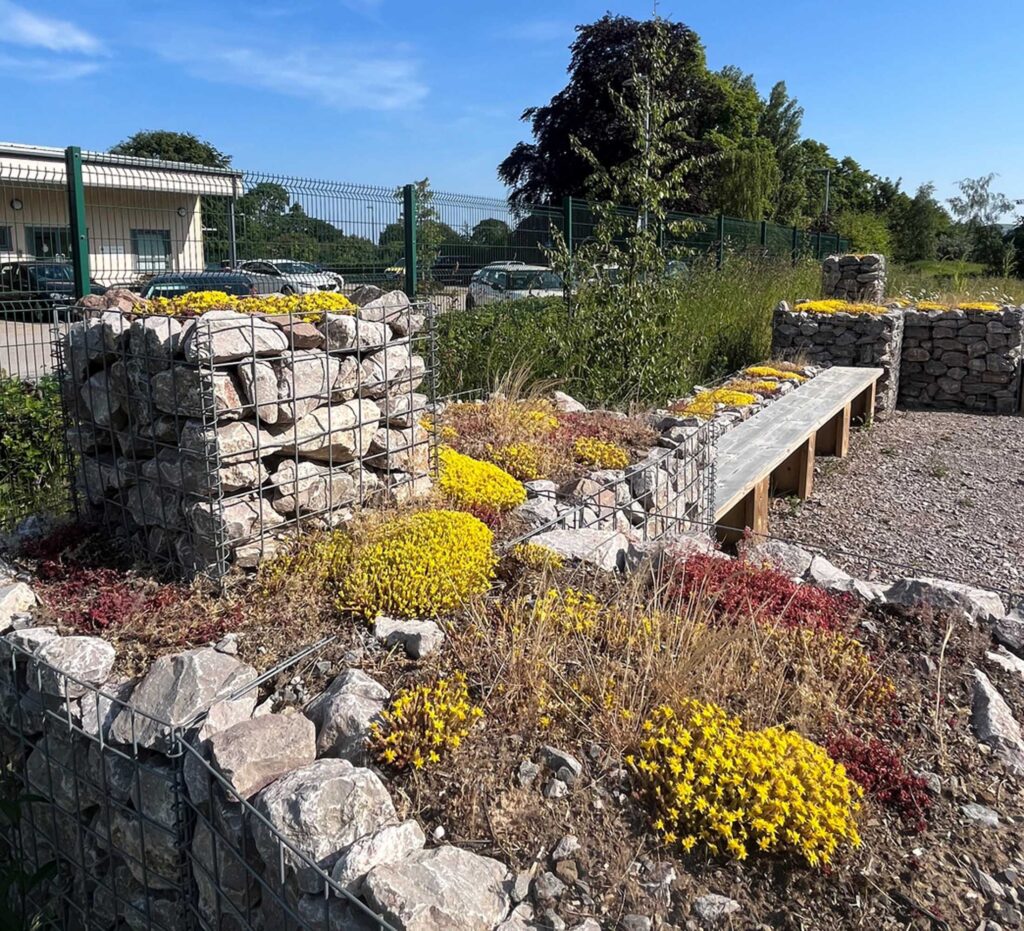
Welsh Ambulance Service wanted a place for staff to relax during breaks from high-pressure work at their Dobshill Ambulance Depot…
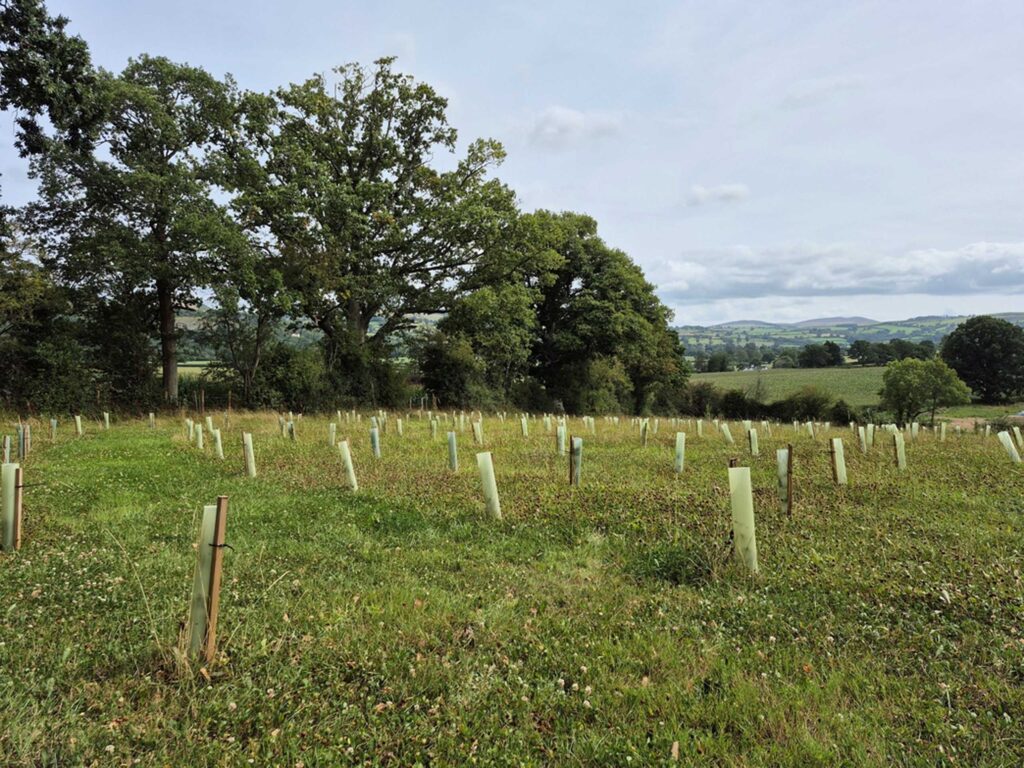
A private landowner in the Vale of Clwyd wanted to work with natural systems to manage flood risk and improve…
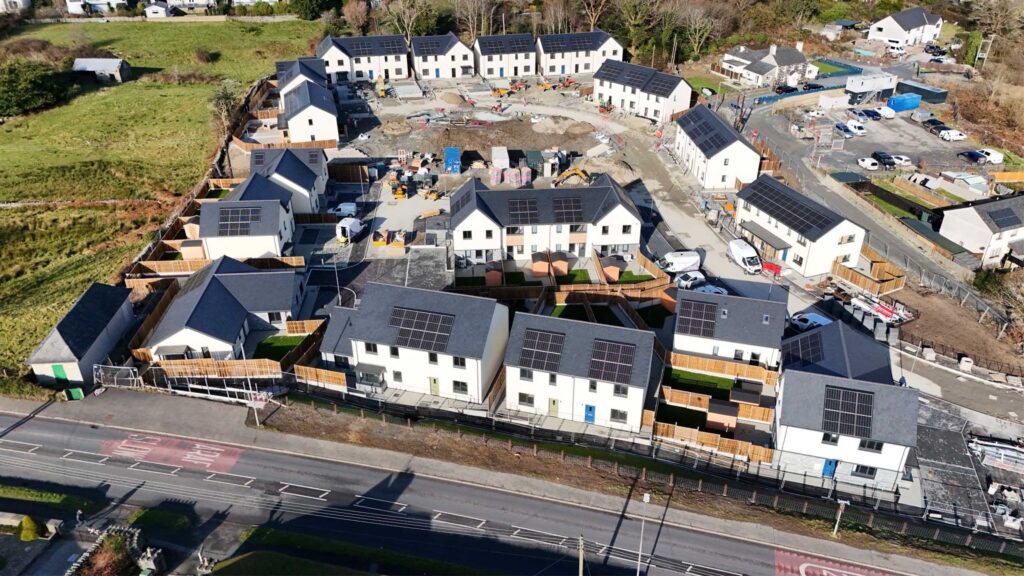
Williams Homes (Bala) Ltd. needed ecological survey and mitigation support for Trem Y Moelwyn, a development of just over 40…
Enfys Ecology provides a wide range of ecological and habitat management services across North and Mid Wales, and into Cheshire, Shropshire and Wirral.