A renewable energy project carries grid deadlines, planning windows and seasonal survey constraints all at once, and none of them move to suit each other. Miss a bat or bird survey window, and the delay is not counted in weeks.
We build ecology into the programme rather than around it, from first survey through to the habitat the site leaves behind. That means surveys, consent, construction and long term land management stay on schedule together, so the project goes on to generate revenue without a stalled quarter behind it, and with a good outcome for the environment alongside the commercial one.
We carry out the ecological surveys and assessments a renewables project needs, from Preliminary Ecological Appraisal (PEA) and Ecological Impact Assessment (EcIA) through to protected species surveys for bats, breeding birds and Schedule 1 species such as goshawk. Surveys are timed and sequenced against your grid and planning timeline from the outset, not treated as a separate constraint bolted on afterwards. Once consent is granted, our Ecological Clerk of Works (ECoW) service provides on site supervision through construction, so the work follows the agreed reports and legislation.
We stay involved once construction is finished, too. Our habitat management team can deliver and manage the biodiversity improvements a site needs afterwards, from habitat creation through to long term monitoring, so the same team that got you to consent also helps you meet what comes after it.
We’ve carried out ecological surveys and assessments for principal contractors and consultancies working on renewable energy projects, including the 12km onshore cable route for the Burbo Bank Windfarm Extension, commissioned by RPS for Ørsted. Multi species surveys ran across several years, feeding into a great crested newt translocation from six areas along the route under a Natural Resources Wales licence, then an Ecological Clerk of Works role through construction: attending site meetings, flagging constraints early, and monitoring exclusion zones and newt fencing so the programme kept moving.
We stayed involved once construction finished. On the Burbo Bank site, that meant designing and building five ponds along the corridor and creating the habitat around them, work that now links up with mitigation land from other windfarm projects and a known great crested newt site nearby, and continues under our ongoing monitoring today. It’s the same approach behind our habitat management track record more broadly, including a 25.79 percent increase in biodiversity units at Enfinium’s Parc Adfer site since 2022, independently verified by SLR Consulting.
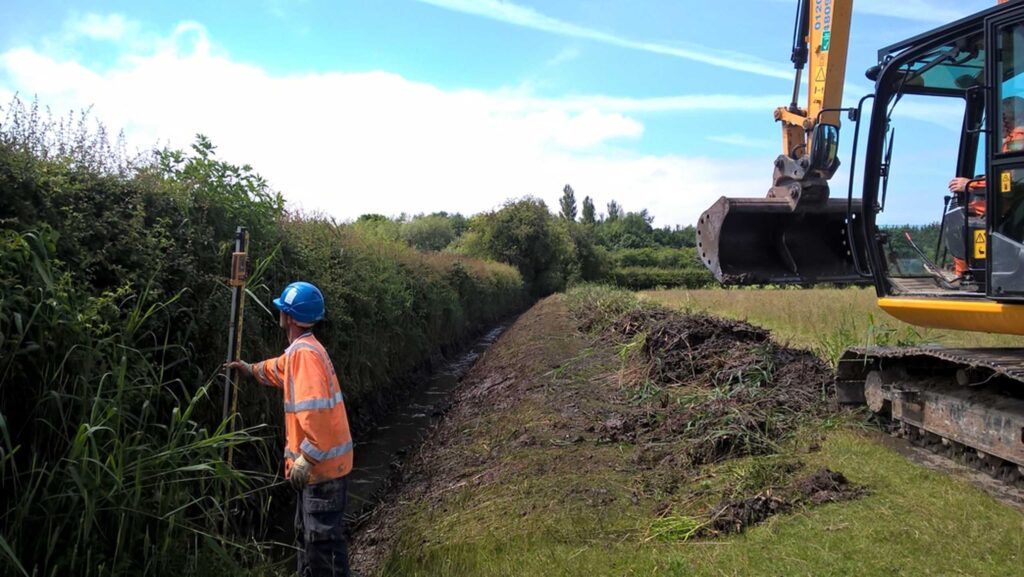
Supporting large-scale construction project and protecting biodiversityWe were approached by RPS to assist them in carrying out ecological surveys and…
Pick a time for a project risk review call. We’ll map ecology against your grid and planning timeline early, including what happens after construction, so nothing about the journey is a surprise later.